




























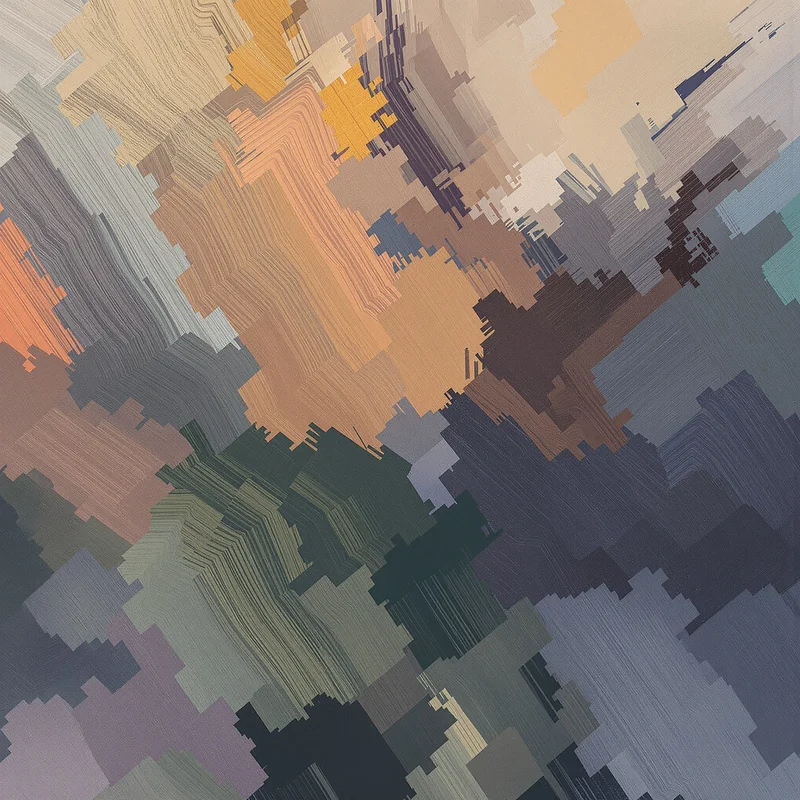








Theme Backgrounds
Theme backgrounds are defined by a visual concept stronger than a single color field. A theme can come from texture, material, natural scenery, abstract composition, artistic technique, optical effect, atmosphere or practical design intent.
Explore themed background collections in full screen for websites, presentations, interfaces, desktop displays and visual design, with each collection organized around its dominant visual mechanism.
What Makes a Background a Theme Background?
A background belongs to the Theme Background collection when something beyond a single color becomes the primary visual identity. This can be recognizable material structure, surface texture, repeated motifs, atmospheric depth, natural scenery, abstract forms, painting technique or a layout designed for a specific use.
For example, Blue Background is color-first, while Blue Texture Background is defined by visible surface structure and Blue Gradient Background by continuous tonal transition.
The same principle separates White Background from White Paper Background and White Abstract Background. Paper material or abstract composition becomes the defining signal rather than white color alone.
Abstract & Visual Effect Backgrounds
These collections are organized around composition, repetition, tonal transition, optical behavior or non-representational visual structure.
- Abstract Background
- Gradient Background
- Bokeh Background
- Pattern Background
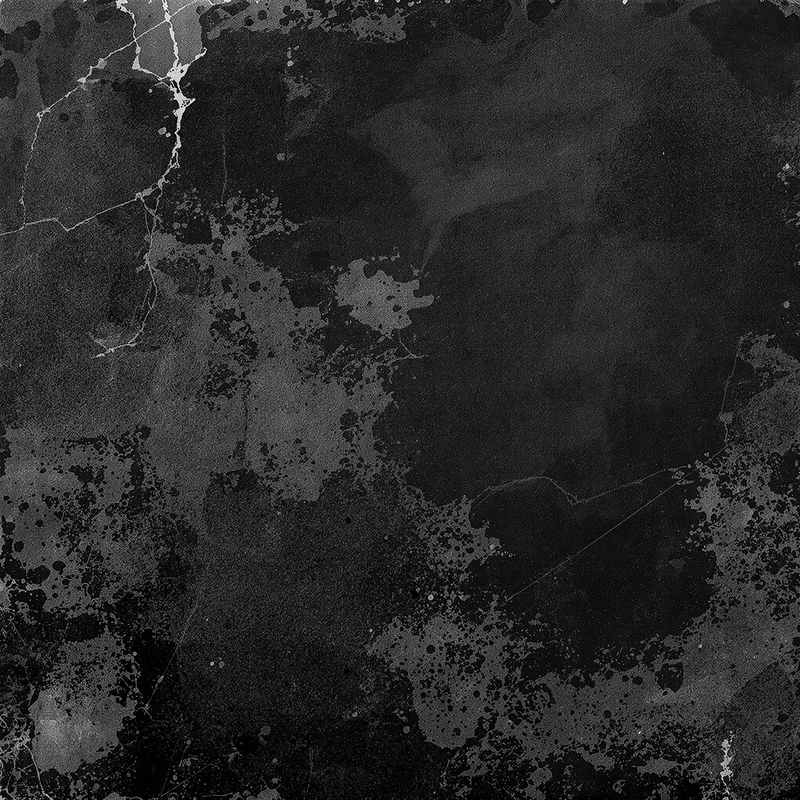
- Grunge Background
- Smoke Background
- Green Abstract Background
- White Abstract Background
- Blue Gradient Background
Color Combination & Tonal Backgrounds
Some themed backgrounds remain strongly color-driven but use multiple colors, luminance categories or compositional relationships that go beyond a single solid color field.
- Multicolour Background
- Green Yellow Background
- Blue and White Background
- Black and Gold Background
- Light Background
- Dark Background
Texture & Material Backgrounds
Texture and material collections are defined by recognizable surface characteristics such as grain, fibers, mineral structure, pores, reflectivity, transparency or repeated material construction.
- Green Texture Background
- Blue Texture Background
- Black Texture Background
- Paper Background
- White Paper Background
- Fabric Background
- Wood Background
- Stone Background
- Concrete Background
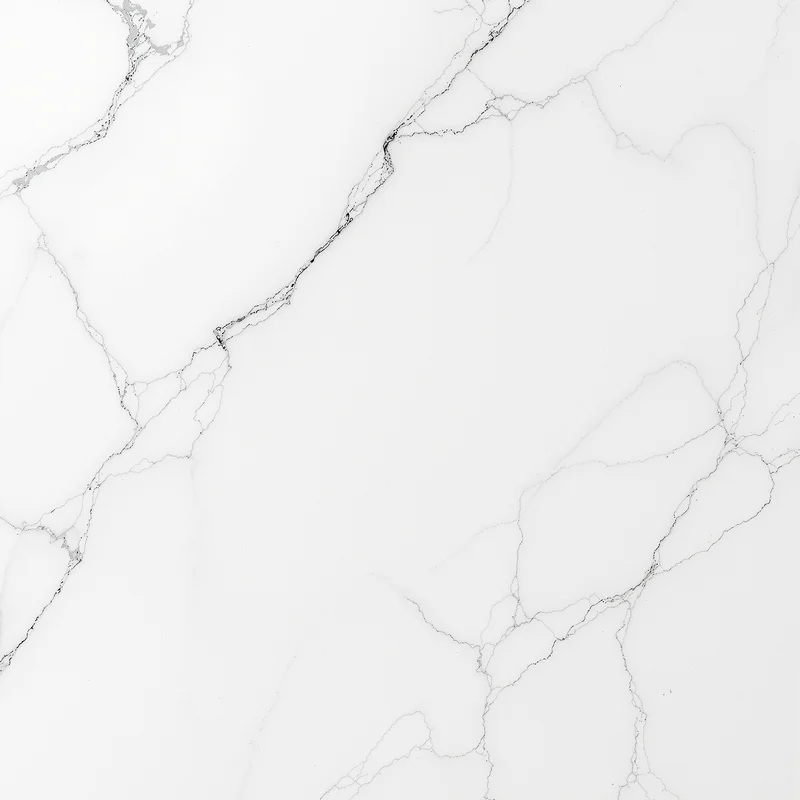
- Marble Background
- Metal Background
- Glass Background
- Carbon Fiber Background
Nature & Environment Backgrounds
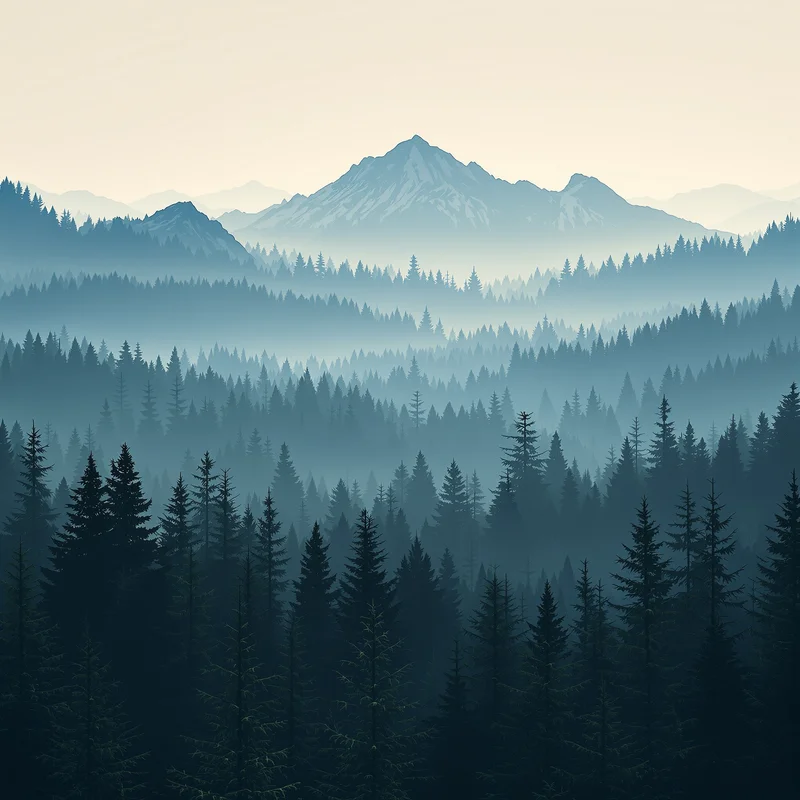
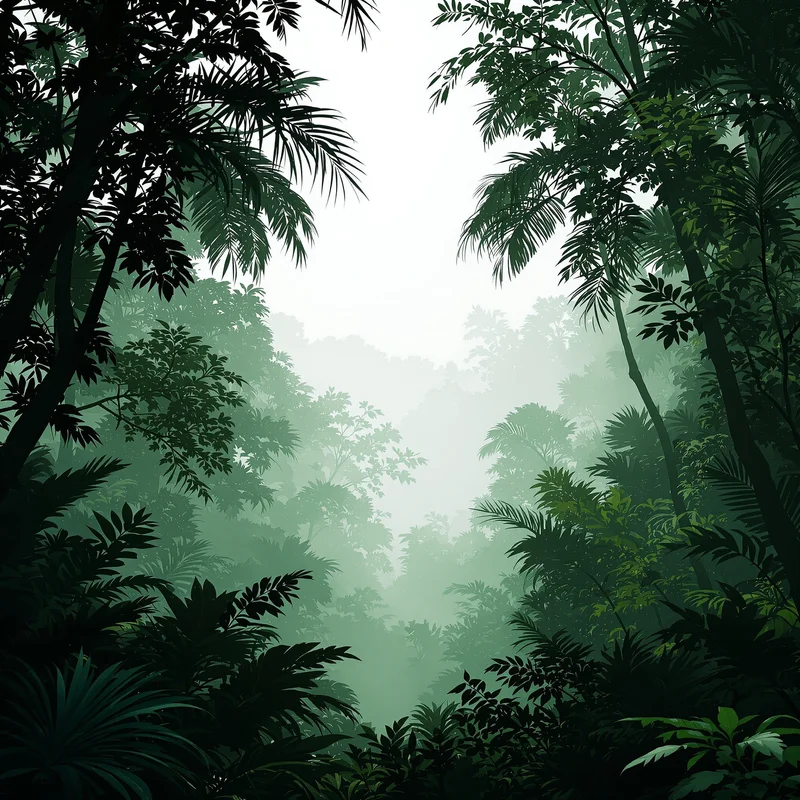
Nature and environment collections are scene-first. Recognizable terrain, vegetation, water, weather or built environments take priority over the dominant colors contained within the image.
- Forest Background
- Mountain Background
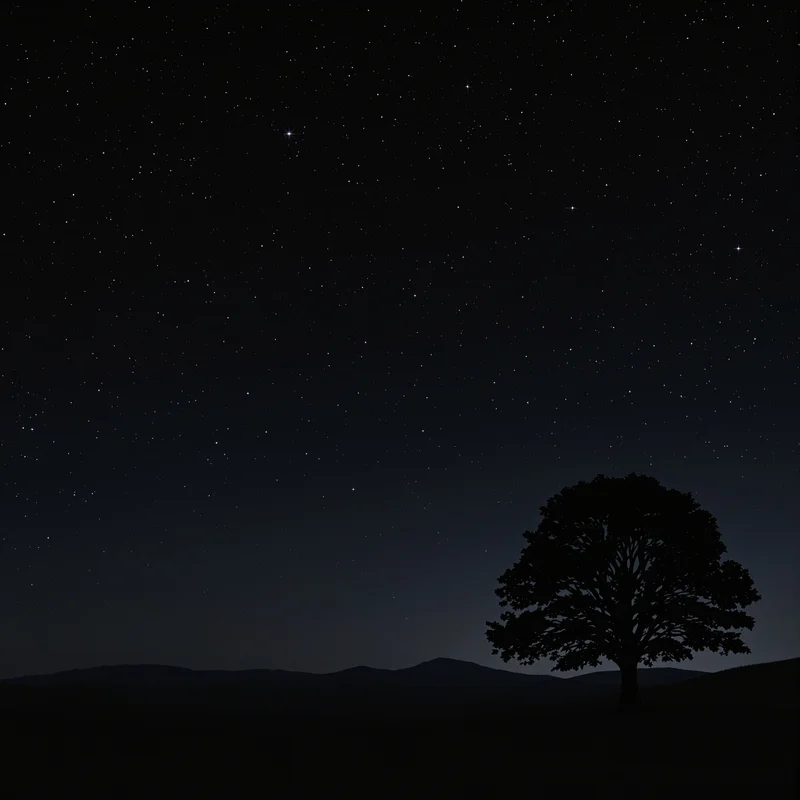
- Sky Background
- Cloud Background
- Ocean Background
- Water Background
- Rain Background
- Snow Background
- Tree Background
- Jungle Background
- Grass Background
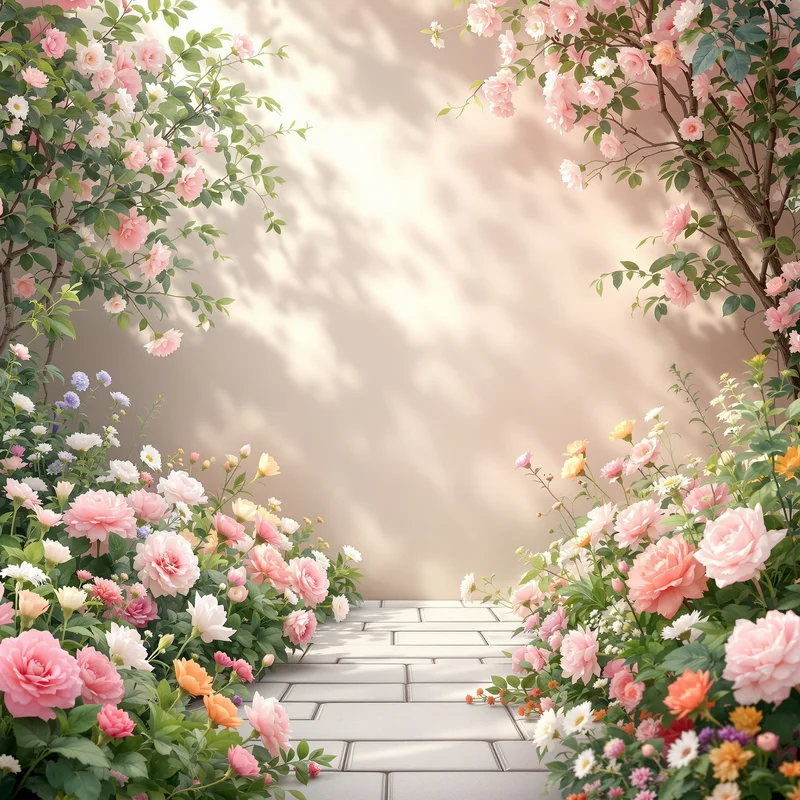
- Garden Background
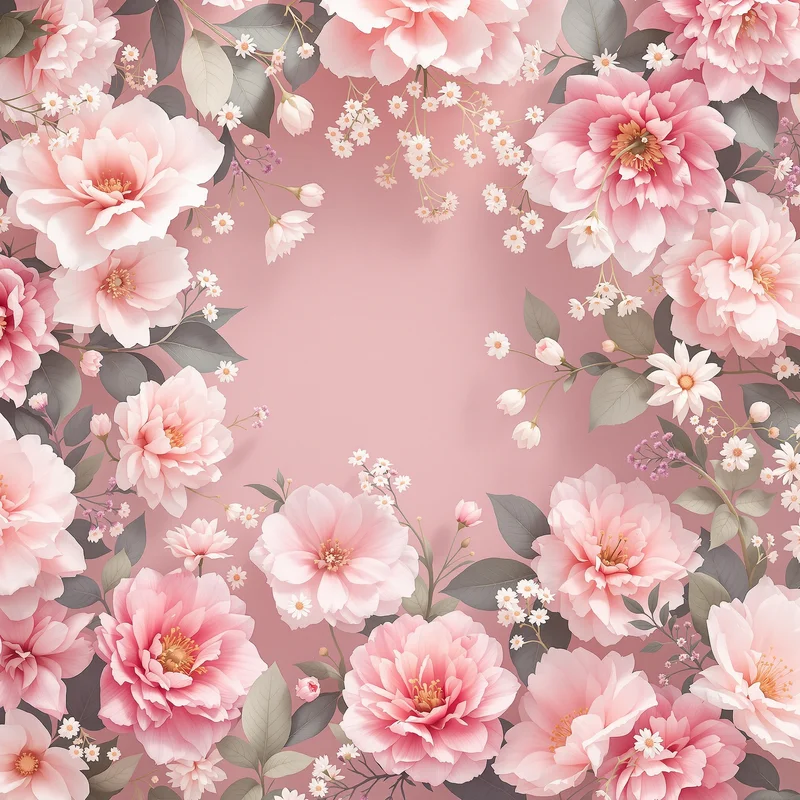
- Floral Background
- Rose Background
- City Background
Atmosphere, Light & Space Backgrounds
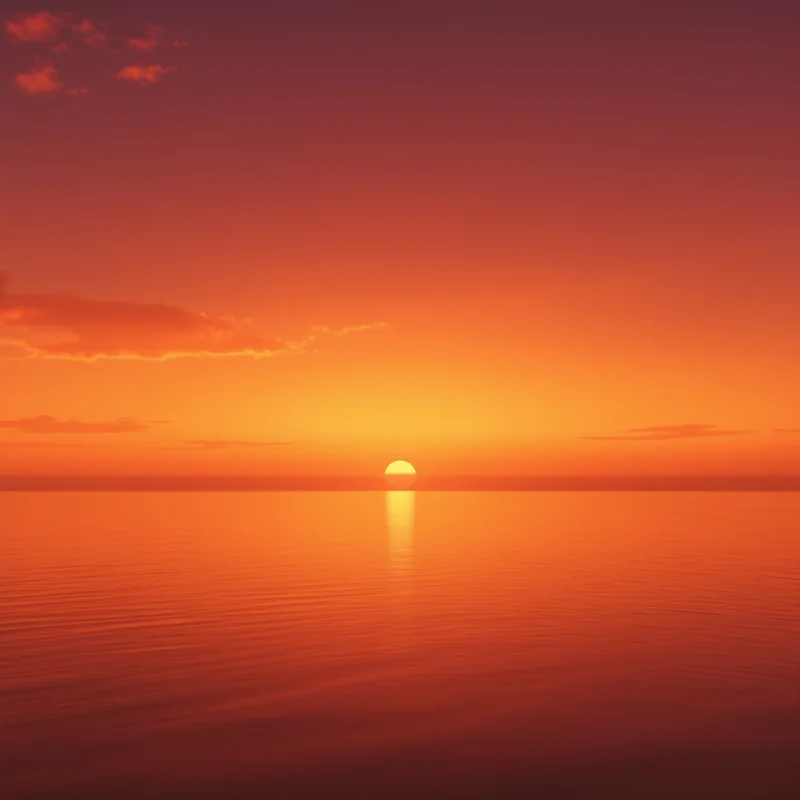
These collections are defined by atmospheric conditions, celestial subjects or luminous phenomena that create recognizable depth, light distribution or environmental character.
- Sunrise Background
- Sunset Background
- Moon Background
- Space Background
- Galaxy Background
- Fire Background
Artistic Backgrounds
Artistic collections are organized by the technique used to construct the image. Brushwork, pigment behavior and digitally simulated painting become stronger signals than the individual colors or subjects contained within the composition.
Professional & Event Backgrounds
Some backgrounds are defined primarily by how the visual field is meant to function. Layout, subject framing and information space become more important than a single color, material or artistic technique.
How the Dominant Visual Signal Determines the Theme
The most visually important mechanism determines which Theme Background collection best represents an image. A forest can contain large green regions, but recognizable tree spacing and woodland depth make Forest Background more precise than Green Background.
A printed textile can contain repeated motifs, but if textile fibers and material structure remain dominant it belongs to Fabric Background. If repetition itself becomes the strongest visual feature, Pattern Background becomes the more accurate Entity.
Likewise, continuous color transition defines Gradient Background, transparent and reflective behavior defines Glass Background, and pigment washes define Watercolor Background.
Theme Backgrounds vs Solid Color Backgrounds
Theme Backgrounds are visual-mechanism-first, while Solid Color Backgrounds are color-first. If hue, saturation and luminance remain the dominant characteristics, the image belongs more naturally to a Solid Color collection.
When texture, material, scenery, composition, artistic technique, atmosphere or practical layout intent becomes stronger than the color field, the image belongs to Theme Backgrounds.
Explore Theme Backgrounds in Full Screen
Full-screen viewing makes theme-specific visual signals easier to inspect. Surface grain, material structure, atmospheric depth, brushwork, tonal transitions, repeated motifs and scene relationships are often easier to evaluate when the background fills a larger display.
Open an individual Theme Background collection to view its images at larger size and compare how each visual mechanism behaves across a desktop monitor, presentation display or design workspace.
Explore the Background Library
Theme Backgrounds form one branch of the larger Background Library. If you need a background where one color remains the primary visual identity, explore Solid Color Backgrounds.