
















Paper Background
Paper backgrounds use fine grain, subtle fiber detail and matte surface variation to create a clean material-focused visual field. This collection lets you open paper background images in full screen for websites, presentations, typography, editorial layouts and large visual displays.
Paper Background Full Screen
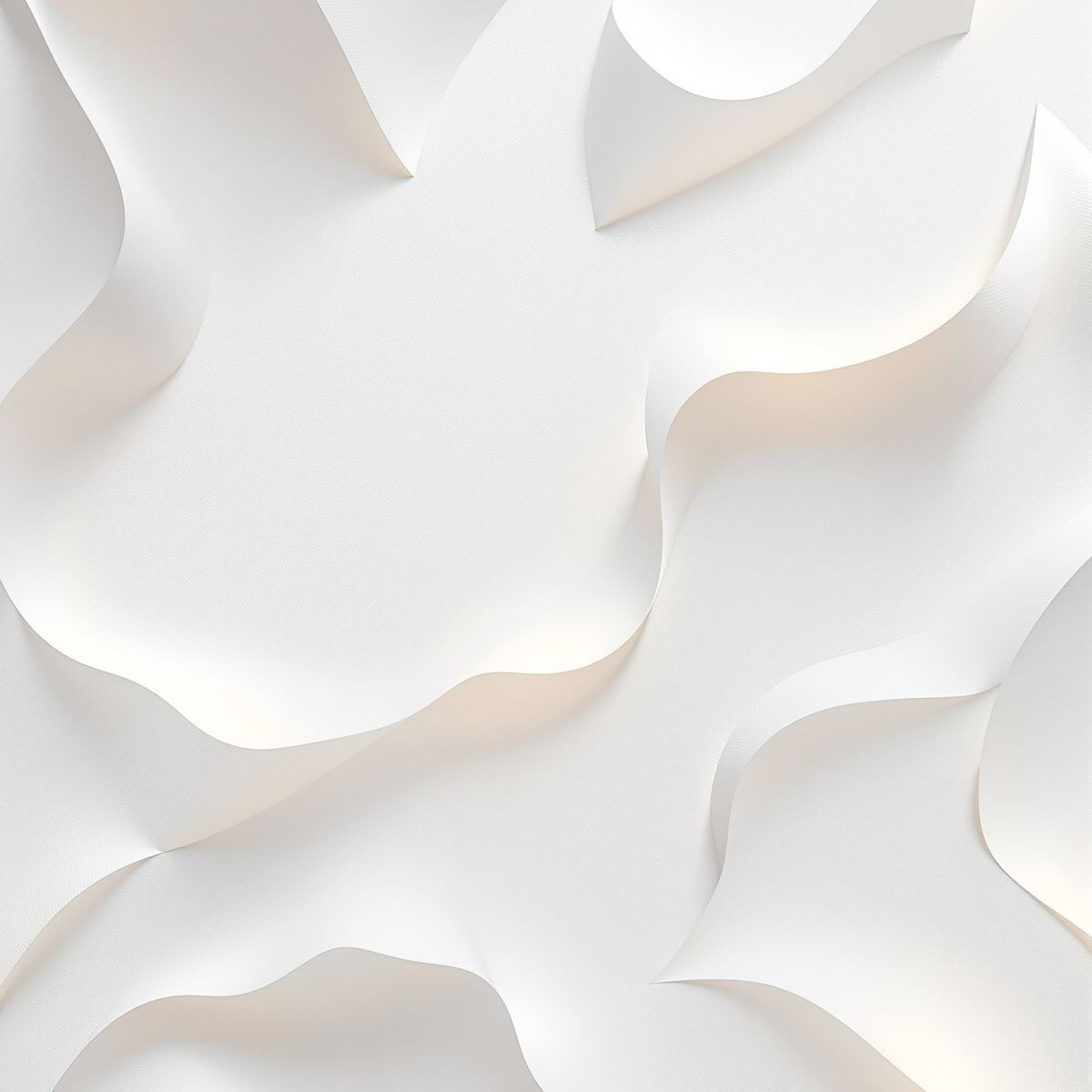
Paper background extending fine grain and subtle fiber detail across a full-screen display.
Open the image at full size to inspect how fine grain, surface density and subtle tonal variation behave across the entire display. Full-screen viewing makes the paper texture easier to evaluate while showing how text, illustrations or graphic elements interact with the material surface.
How Fine Grain and Fibers Create Paper Texture
Paper gains its visual identity from small-scale surface variation rather than large decorative structures. Fine grain and subtle fiber traces can create a textured field while preserving the flat, sheet-like character associated with paper material.
Fiber distribution can introduce slight differences in density and tone across the surface. These irregularities help separate a paper background from a completely flat color field without requiring prominent patterns or heavy visual texture.
A matte surface character further distinguishes paper from materials that depend on reflection, transparency or pronounced mineral structure. Subtle texture allows the material identity to remain visible while still supporting foreground typography and graphics.
Paper Background Images

Paper background image shaped by fiber detail, matte texture and small tonal changes.
This paper background image provides a subtle material surface for typography, editorial layouts, presentation covers and website sections. Fine texture adds visual character while quieter areas can support text, illustrations, logos or other foreground elements.
What Is a Paper Background?
A paper background is an image in which fine grain, subtle fibers, matte surface detail and sheet-like material characteristics form the primary visual identity. Color, age, wear or printed decoration remain secondary to the paper material itself.
Paper Background is broader than White Paper Background. White Paper Background combines paper material cues with a dominant white color identity, while the general Paper Background collection is defined by the material without depending on a particular hue.
Paper also differs from Fabric Background. Both may contain visible fiber structure, but Fabric Background is defined by textile and thread-like material characteristics, while Paper Background centers on a flatter sheet-like surface with finer material grain.
The Entity remains separate from Grunge Background. Grunge is defined by wear, distress and deterioration, while Paper Background is defined by the underlying material. A paper surface may show age or marks, but those effects do not need to be present for it to remain recognizably paper.
Paper imagery can also overlap with Watercolor Background, Pattern Background or Light Background, but these remain separate Entities. Watercolor is defined by pigment and wash behavior, Pattern by repeated motifs, and Light Background by brightness. Paper Background is defined by material surface cues.
This page belongs to the Whitescreen Background Library and the Theme Background collection.
Paper Background HD Full Screen
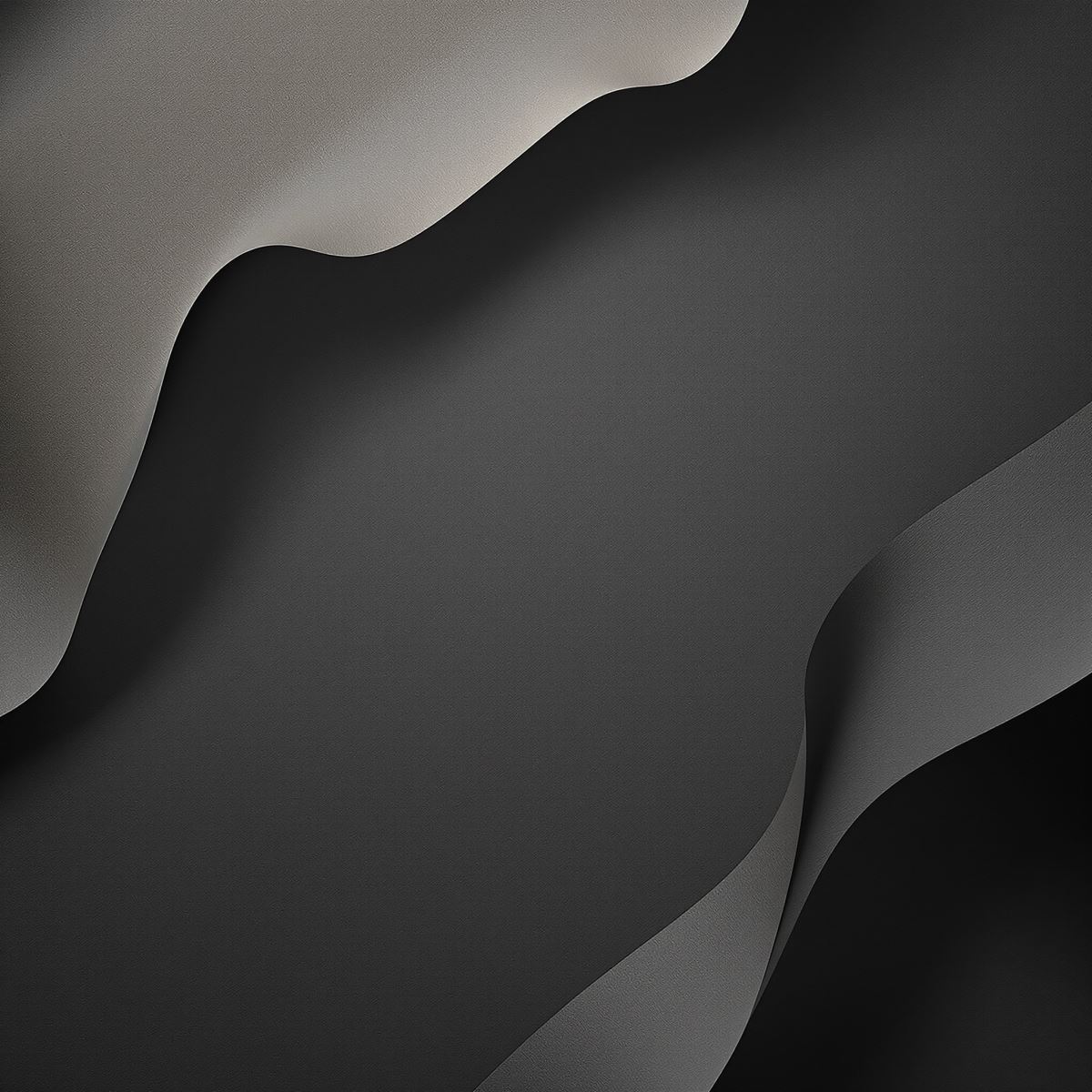
HD paper background preserving fine grain, subtle fibers and matte surface detail.
Opening the HD paper background in full screen preserves fine grain, subtle fiber detail and small tonal changes across a large monitor or presentation display. These characteristics help the paper material remain visible without overwhelming foreground content at larger viewing sizes.
Ways to Use a Paper Background
- Open a paper image in full screen to inspect its fine grain, fiber detail and matte surface variation across the display.
- Create typography and editorial layouts with a subtle material surface behind text.
- Prepare presentation covers with light visual texture instead of a flat color field.
- Use paper backgrounds behind illustrations, handwriting-style graphics or branding elements.
- Build website sections with restrained texture that supports foreground content.
- Create stationery-inspired, promotional and product graphics with a sheet-like material identity.
- Use paper imagery as a desktop background across the full monitor.