
















Pattern Background
Pattern backgrounds use repeated motifs, structured spacing and visual rhythm to create a continuous decorative surface. This collection lets you open pattern background images in full screen for websites, presentations, digital layouts and immersive displays.
Pattern Background Full Screen
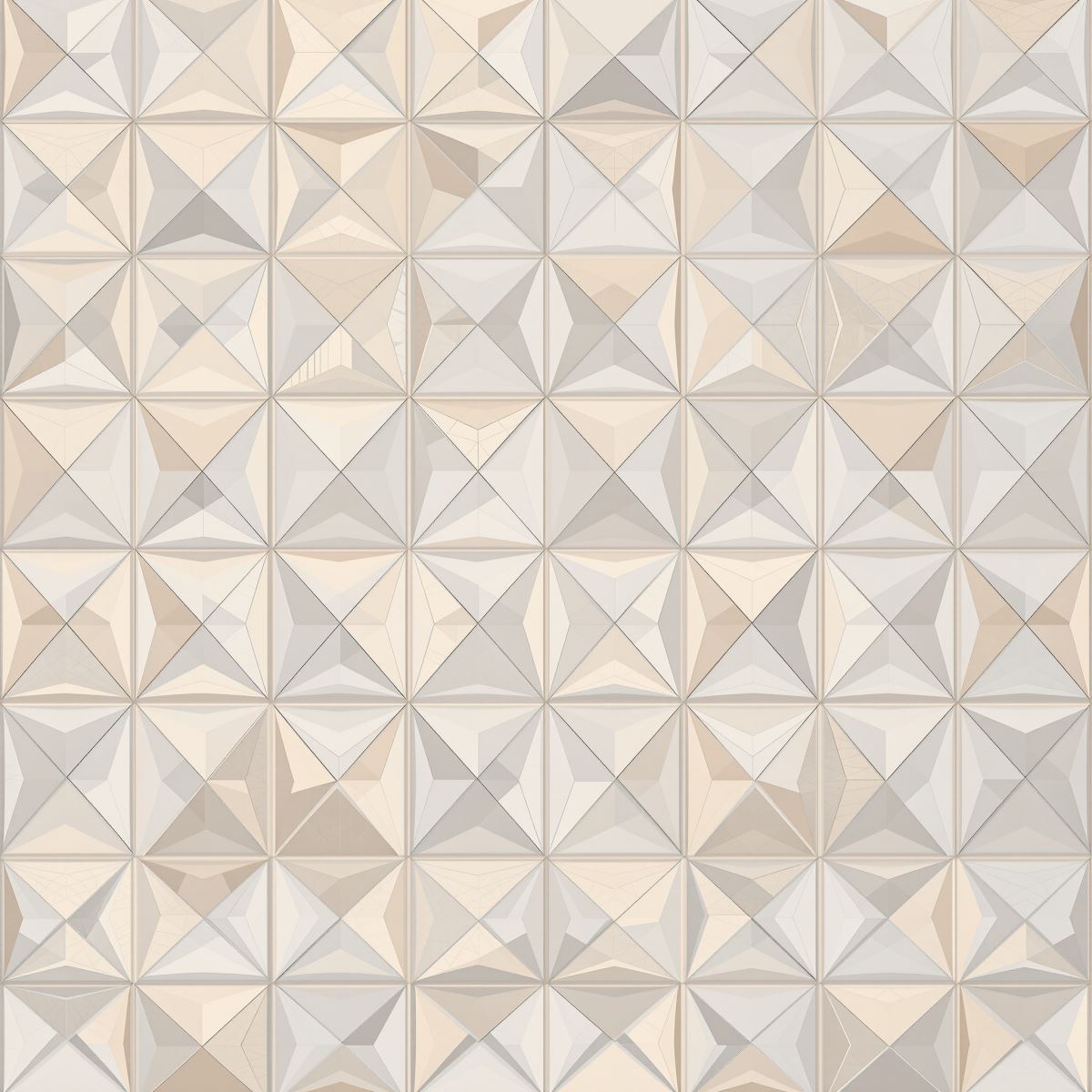
Pattern background extending structured repetition and visual rhythm across a full-screen display.
Open the image at full size to see how motif repetition behaves across the entire display. The spacing, scale and density of repeated elements determine whether the pattern feels open, compact or visually dominant when used behind text, graphics or interface content.
How Repetition and Spacing Create Pattern Rhythm
A pattern gains structure when visual elements repeat according to a recognizable arrangement. The repeated unit may be geometric, organic, decorative or abstract, but intentional recurrence is what turns the composition into a pattern rather than a collection of unrelated shapes.
Spacing controls the density of the surface. Wider gaps between motifs create a more open visual field, while closer spacing increases repetition and can make the background feel more texture-like across a large area.
Motif scale also changes the rhythm. Larger elements repeat fewer times across the display and create stronger individual forms, while smaller elements produce a denser sequence with greater visual continuity.
Pattern Background Images
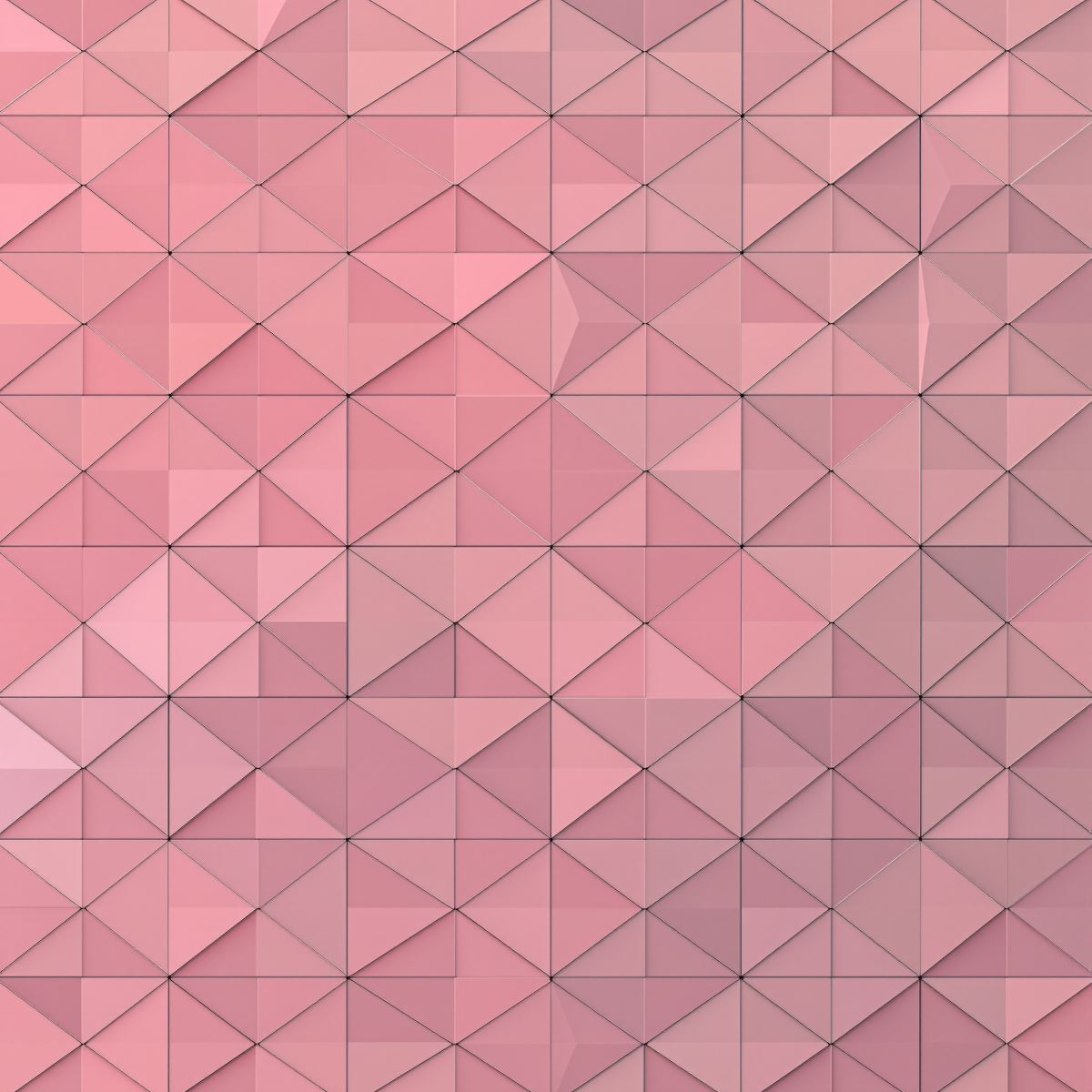
Pattern background image shaped by motif repetition, spacing and continuous decorative structure.
This pattern background image provides a structured decorative surface for presentation covers, website sections, editorial layouts and graphic designs. Repeated motifs create visual continuity, while their scale and spacing determine how easily foreground text or other content can remain distinct.
What Is a Pattern Background?
A pattern background is an image in which repeated motifs, shapes or decorative elements form a structured visual surface. The motifs may vary in style or subject, but repetition and spacing remain the primary signs that define the Pattern Background Entity.
Pattern backgrounds differ from Abstract Backgrounds, which do not require a repeat system. Abstract compositions can use free forms, irregular arrangements and non-repeating structures, while Pattern Background depends on recognizable visual recurrence.
The Entity is also distinct from Fabric Background. Fabric is defined primarily by textile material, weave or fiber structure. A fabric surface may contain printed motifs, but the image becomes more strongly pattern-oriented when the repeat system is visually dominant.
Pattern imagery can overlap with Floral Background, Grunge Background or Gradient Background, but these remain separate Entities. Pattern Background is defined by repetition and visual rhythm rather than botanical subject matter, distressed irregularity or continuous color transition.
This page belongs to the Whitescreen Background Library and the Theme Background collection.
Pattern Background HD Full Screen
HD pattern background preserving motif edges, repeat spacing and fine decorative detail.
Opening the HD pattern background in full screen preserves the boundaries of individual motifs, smaller decorative details and the spacing between repeated elements. This makes it easier to evaluate the pattern's visual rhythm and continuity across a large monitor or presentation display.
Ways to Use a Pattern Background
- Open a pattern image in full screen to inspect its motif repetition, spacing and visual rhythm.
- Create presentation covers with a structured decorative surface.
- Build website sections that use repeated motifs behind foreground content.
- Prepare invitation, editorial and social-media layouts with controlled visual repetition.
- Use larger motifs as decorative elements in branding and promotional graphics.
- Use smaller repeated elements to create a texture-like background field.
- Create desktop displays with continuous pattern structure across the full monitor.