














Oil Painting Background
Oil painting backgrounds use visible brushwork, layered pigment and blended color to create a richly painted visual surface. This collection lets you open oil painting background images in full screen for websites, presentations, artwork, editorial layouts and immersive desktop displays.
Oil Painting Background Full Screen
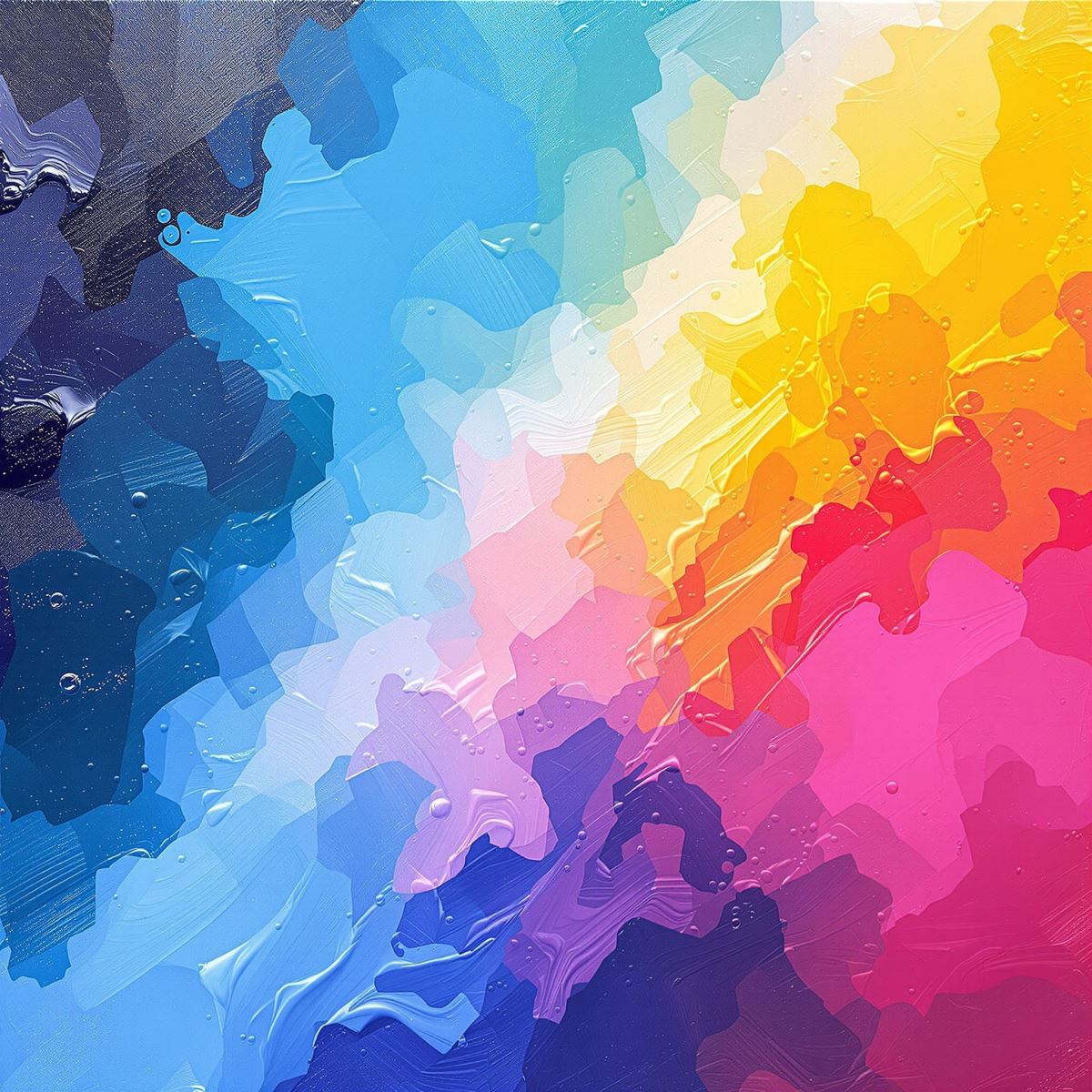
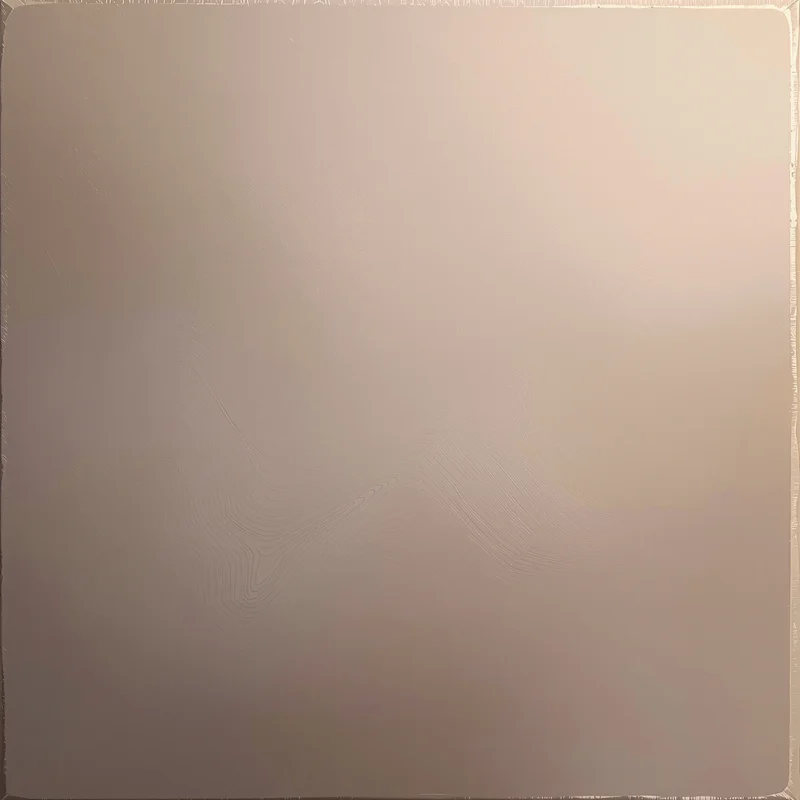
Oil painting background extending layered pigment and painterly surface detail across a full-screen display.
Open the image at full size to inspect how visible brushwork, blended color and painted surface variation extend across the display. Full-screen viewing makes it easier to see the relationship between stronger painted marks, softer transitions and quieter areas that can support text or foreground graphics.
How Layered Pigment and Brushwork Create Oil-Painted Depth
Oil-painted surfaces gain character from color that appears to be built through multiple visual layers. Changes in tone, opacity and painted detail can separate stronger foreground regions from softer supporting areas and create a deeper visual field.
Brush direction adds movement to the composition. Visible strokes may change in length, direction or density across the image, creating a painterly rhythm that differs from the uniform transitions of a gradient or the repeated structure of a pattern.
Blended regions soften transitions between colors, highlights and shadows, while more defined brush marks preserve surface character. Together these variations create an oil-painted appearance without requiring the background to represent any single subject or scene.
Oil Painting Background Images
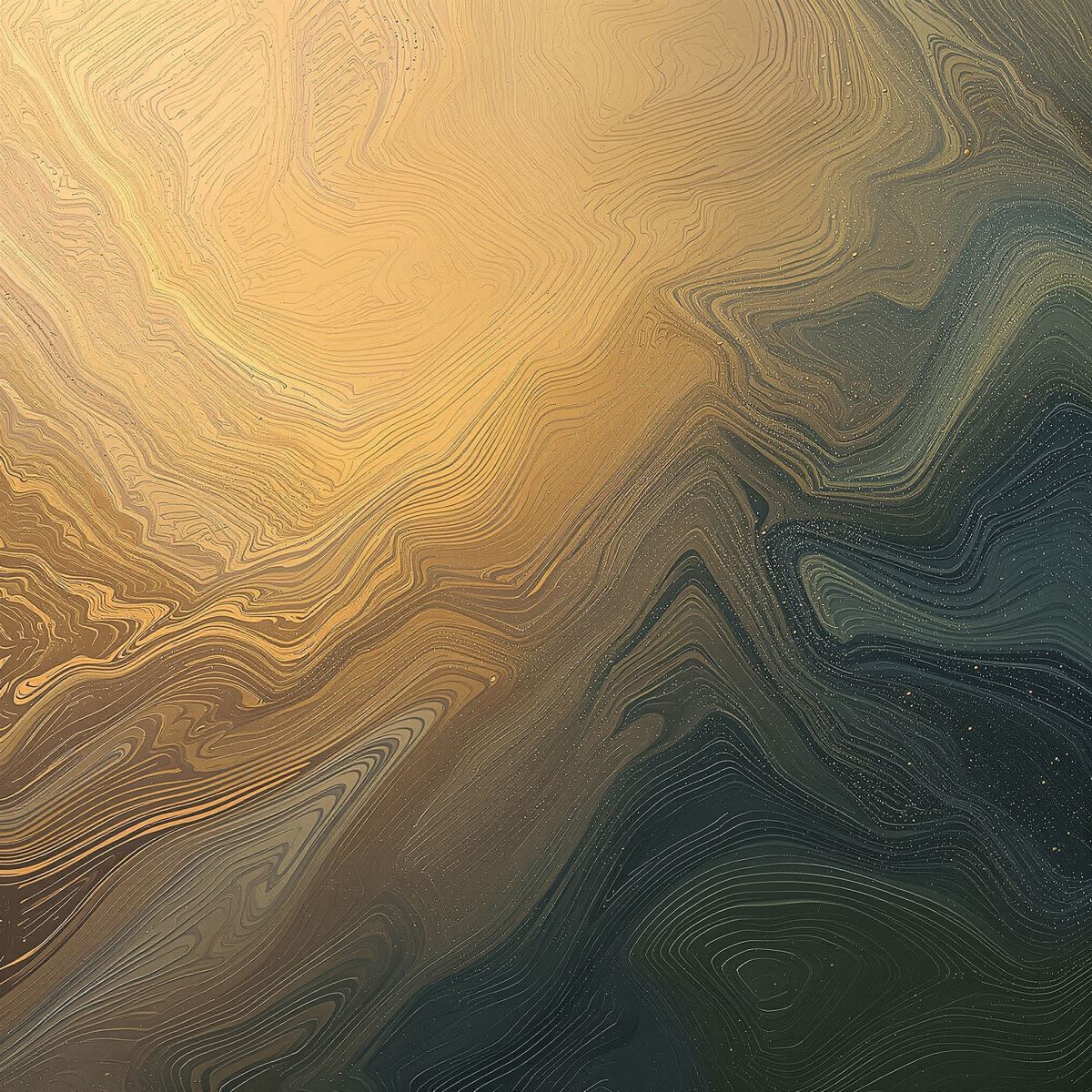
Oil painting background image shaped by directional brushwork, blended color and painterly surface variation.
This oil painting background image provides a textured visual field for presentation covers, posters, editorial layouts and art-focused website sections. Visible painted detail adds character, while softer blended regions can provide usable space for headings, logos or foreground elements.
What Is an Oil Painting Background?
An oil painting background is an image in which visible brushwork, layered pigment, blended color and paint-like surface variation form the primary visual character. The subject can vary, but the oil-painted appearance remains more important than any individual object or scene.
Oil painting backgrounds differ from Digital Painting Backgrounds, which cover a broader range of digitally painted techniques and visual treatments. Oil Painting Background focuses more specifically on rich brushwork, pigment-like layering and an oil-painted surface character.
The Entity is also distinct from Watercolor Background. Watercolor imagery is commonly recognized through transparent washes, diffused pigment and softer bleeding transitions, while oil-painted imagery emphasizes denser color, visible brush handling and layered painted detail.
Oil painting may overlap visually with Abstract Background, Grunge Background or Pattern Background, but these remain separate Entities. Oil Painting Background is defined by painted surface character rather than abstract subject matter, distressed wear or repeating motifs.
This page belongs to the Whitescreen Background Library and the Theme Background collection.
Oil Painting Background HD Full Screen
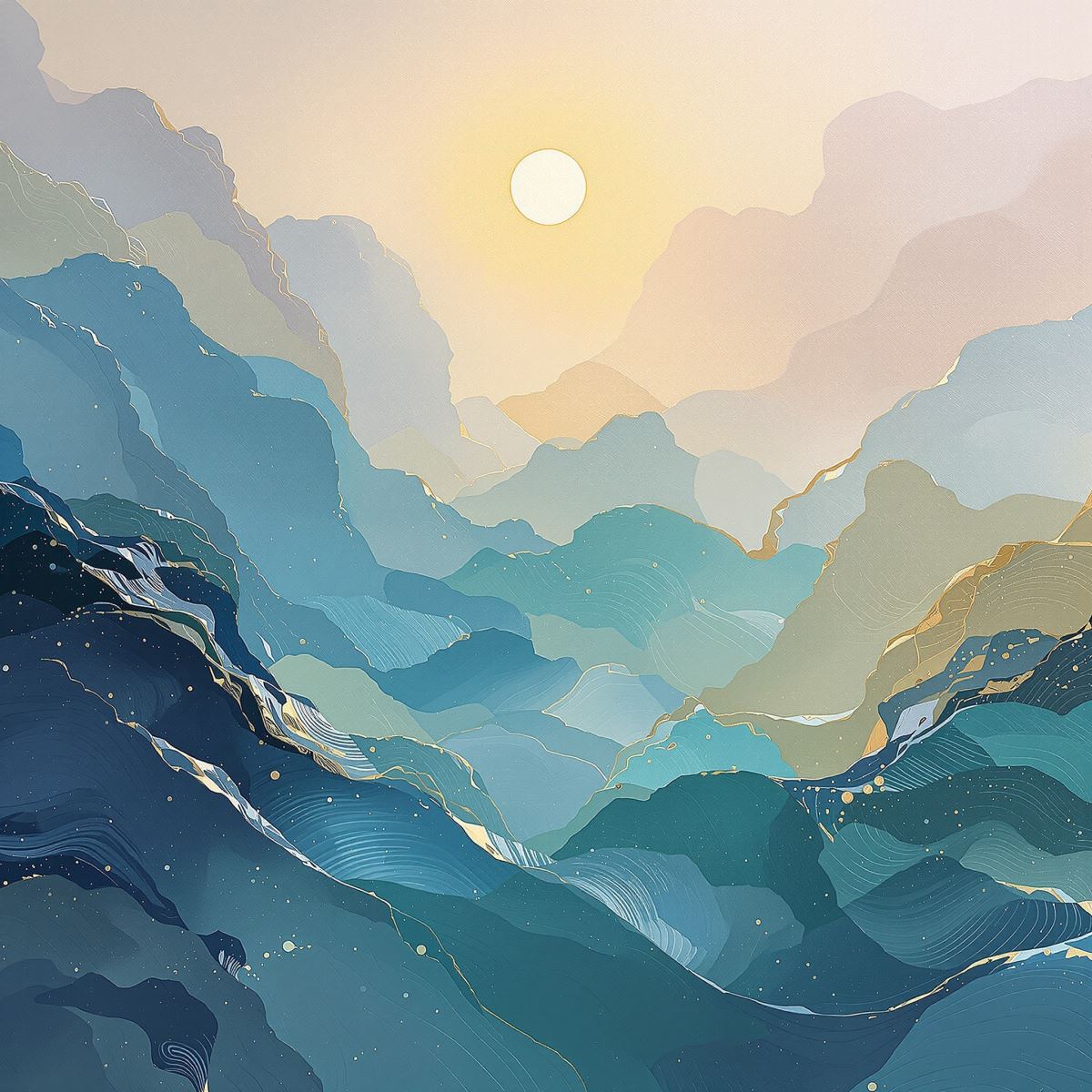
HD oil painting background preserving brush detail, color layering and painted surface variation.
Opening the HD oil painting background in full screen preserves visible brush edges, subtle pigment variation, blended tonal transitions and the relationship between more textured and softer painted regions. These details help the background retain its painterly surface character across a large monitor or presentation display.
Ways to Use an Oil Painting Background
- Open an oil painting image in full screen to inspect its brushwork, layered pigment and painted surface detail.
- Create artistic website hero sections with visible painterly character.
- Prepare presentation covers, posters and editorial layouts.
- Use painted surfaces in visual storytelling and art-focused compositions.
- Place headings, quotes or logos over softer areas with lower brush-detail density.
- Create desktop displays that preserve painted texture across the full monitor.
- Use oil-painted imagery in creative branding, exhibition visuals and promotional graphics.