













Maroon Background
Maroon backgrounds use deep red-brown tones, controlled saturation and tonal depth to create a rich color-focused surface. This collection lets you open maroon background images in full screen for websites, presentations, branding, typography and large visual displays.
Maroon Background Full Screen
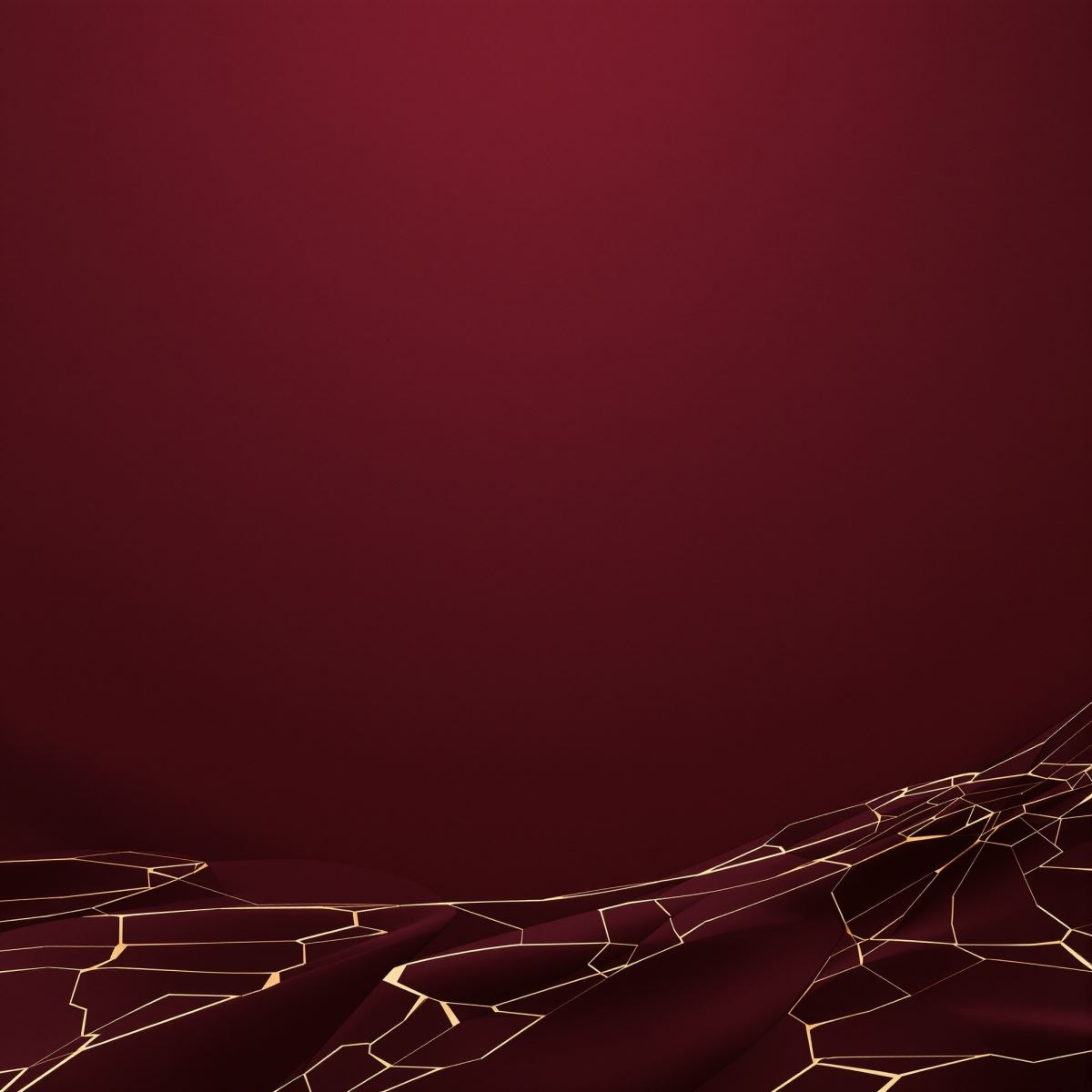
Maroon background extending a deep red-brown color field across a full-screen display.
Open the image at full size to inspect how the maroon hue behaves across the entire display. Full-screen viewing makes the balance between red, brown influence, saturation and brightness easier to evaluate while also showing how lighter foreground text or graphics contrast against the darker color field.
How Red-Brown Balance Creates Maroon Depth
Maroon is defined by a deep red color identity shaped by brown influence. Red remains visually important, while the darker brown component reduces brightness and creates the restrained depth that separates maroon from a more direct or vivid red.
The balance between these components determines whether a background remains recognizably maroon. If red becomes too dominant and bright, the image can move closer to a standard red background. If brown becomes the primary visual signal, the image begins to read more strongly as brown.
Saturation and brightness further shape the color field. Richer maroon tones create stronger visual weight, while more muted regions can support typography, logos or interface elements without losing the underlying red-brown identity.
Maroon Background Images

Maroon background image shaped by deep hue, controlled saturation and tonal variation.
This maroon background image provides a deep visual field for presentation covers, website sections, branding layouts and typography. The red-brown color identity creates strong visual weight, while changes in tone can help separate foreground content from the background.
What Is a Maroon Background?
A maroon background is an image in which a deep red-brown hue dominates most of the visual field, while texture, shading or secondary details remain subordinate to the maroon color identity. The background may be simple or contain tonal variation, provided maroon remains the primary point of recognition.
Maroon backgrounds differ from Red Backgrounds. Red backgrounds can use brighter or more vivid red tones without a strong brown influence, while Maroon Background uses a darker red-brown balance that creates greater tonal depth.
The Entity is also distinct from Brown Background. Brown backgrounds are identified primarily by brown as the dominant hue, while maroon keeps a recognizable red component at the center of its color identity.
Maroon can visually overlap with Dark Background and Gradient Background, but these remain separate Entities. Dark Background is defined by low luminance, while Gradient Background is defined by color transition. Maroon Background is defined primarily by its deep red-brown hue.
This page belongs to the Whitescreen Background Library and the Theme Background collection.
Maroon Background HD Full Screen
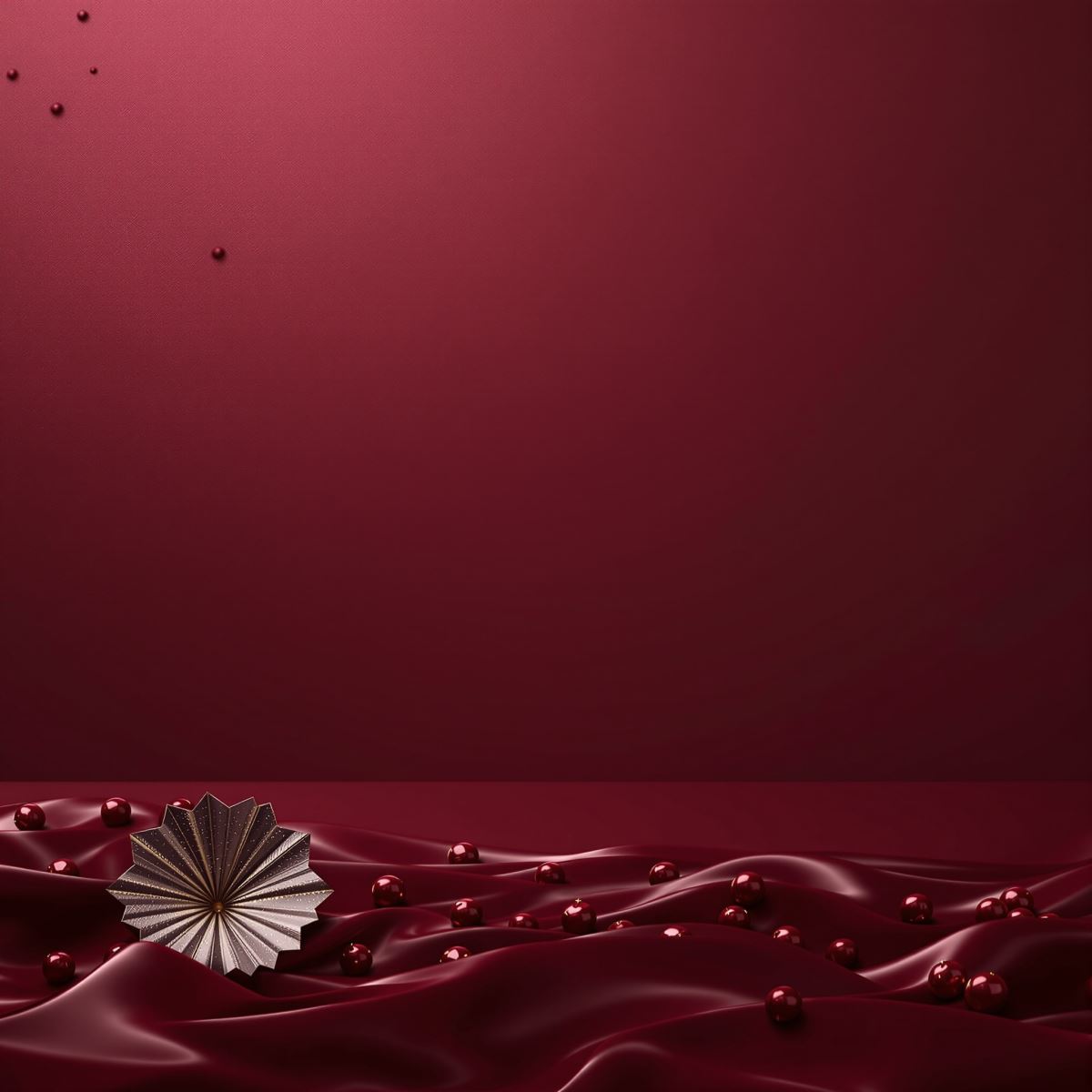
HD maroon background preserving deep red-brown tones and smooth tonal detail.
Opening the HD maroon background in full screen preserves the balance between red and brown, subtle changes in saturation and the tonal depth that defines the color. These details help the background retain a consistent maroon identity across a large monitor or presentation display.
Ways to Use a Maroon Background
- Open a maroon image in full screen to inspect its red-brown balance, saturation and tonal depth across the display.
- Create presentation covers with a deep, restrained color field.
- Build website sections that use maroon behind light typography or interface content.
- Prepare branding graphics with a strong dark red-brown color identity.
- Use maroon backgrounds behind product visuals, logos or promotional graphics.
- Create editorial and event layouts that benefit from a darker warm color field.
- Use maroon imagery as a desktop background across the full monitor.