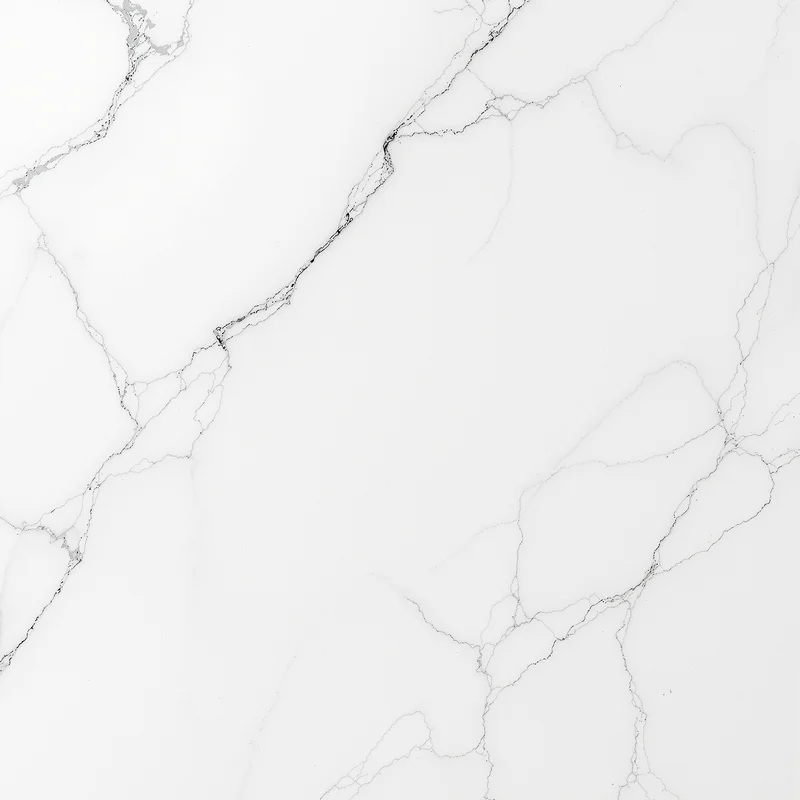

















Marble Background
Marble backgrounds use natural mineral veining, tonal contrast and irregular stone variation to create a distinctive material-focused visual field. This collection lets you open marble background images in full screen for websites, presentations, product graphics, typography and large visual displays.
Marble Background Full Screen
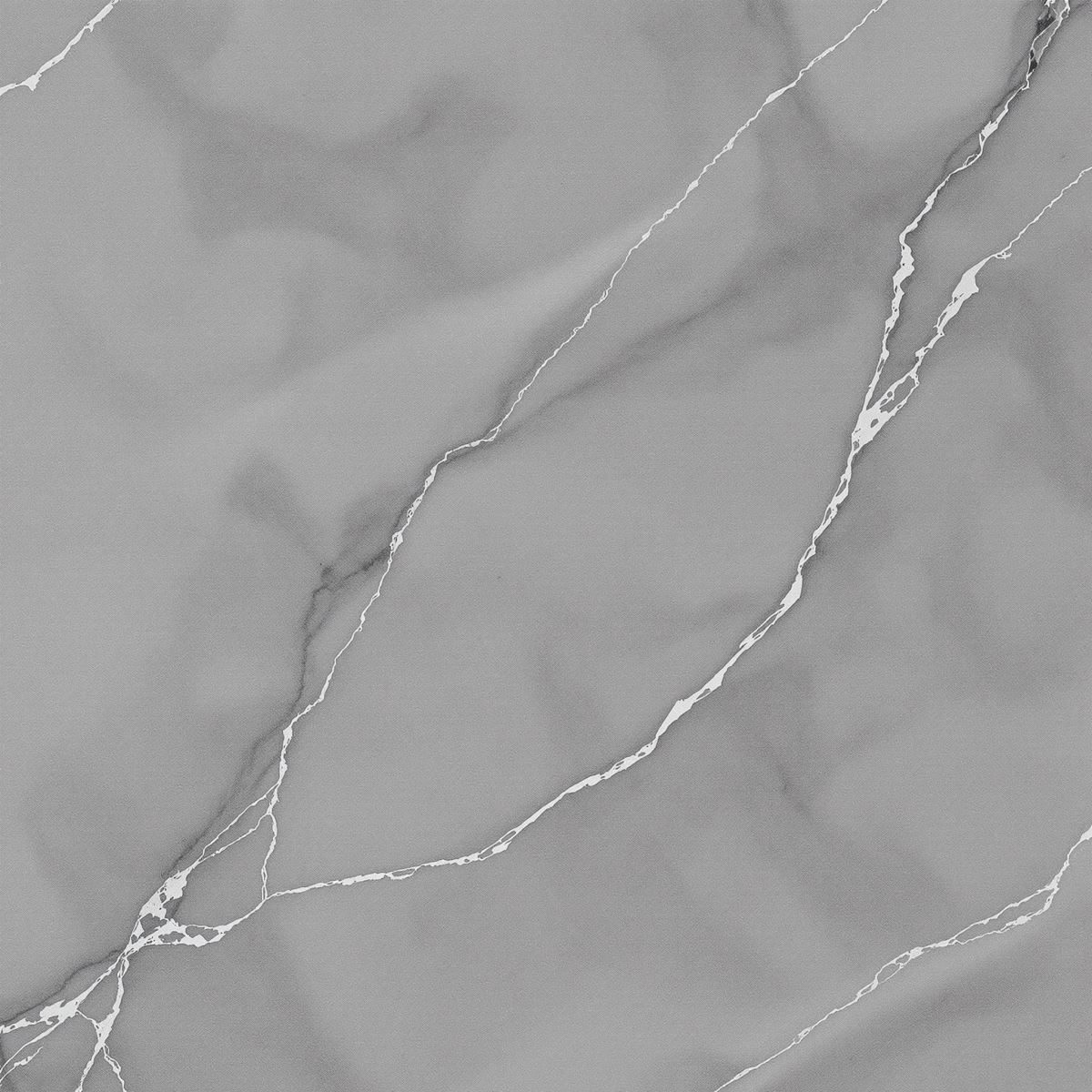
Marble background extending mineral veining and stone surface variation across a full-screen display.
Open the image at full size to inspect how vein direction, mineral contrast and stone-surface variation continue across the entire display. Full-screen viewing makes the marble structure easier to evaluate while showing which areas provide suitable visual space for typography, products or other foreground elements.
How Veining and Mineral Contrast Create Marble Structure
Marble gains much of its visual identity from irregular mineral veining that moves through the stone surface. Changes in line direction, spacing and thickness create an organic structure rather than a mechanically repeated decorative pattern.
Tonal separation between the base stone and its veins strengthens the material identity. Differences in brightness and local contrast can make individual mineral structures more visible while preserving the overall continuity of the marble surface.
Vein density also affects visual intensity. Areas with stronger mineral structure can add movement and detail, while quieter stone regions can provide negative space for text, logos or product-focused content.
Marble Background Images
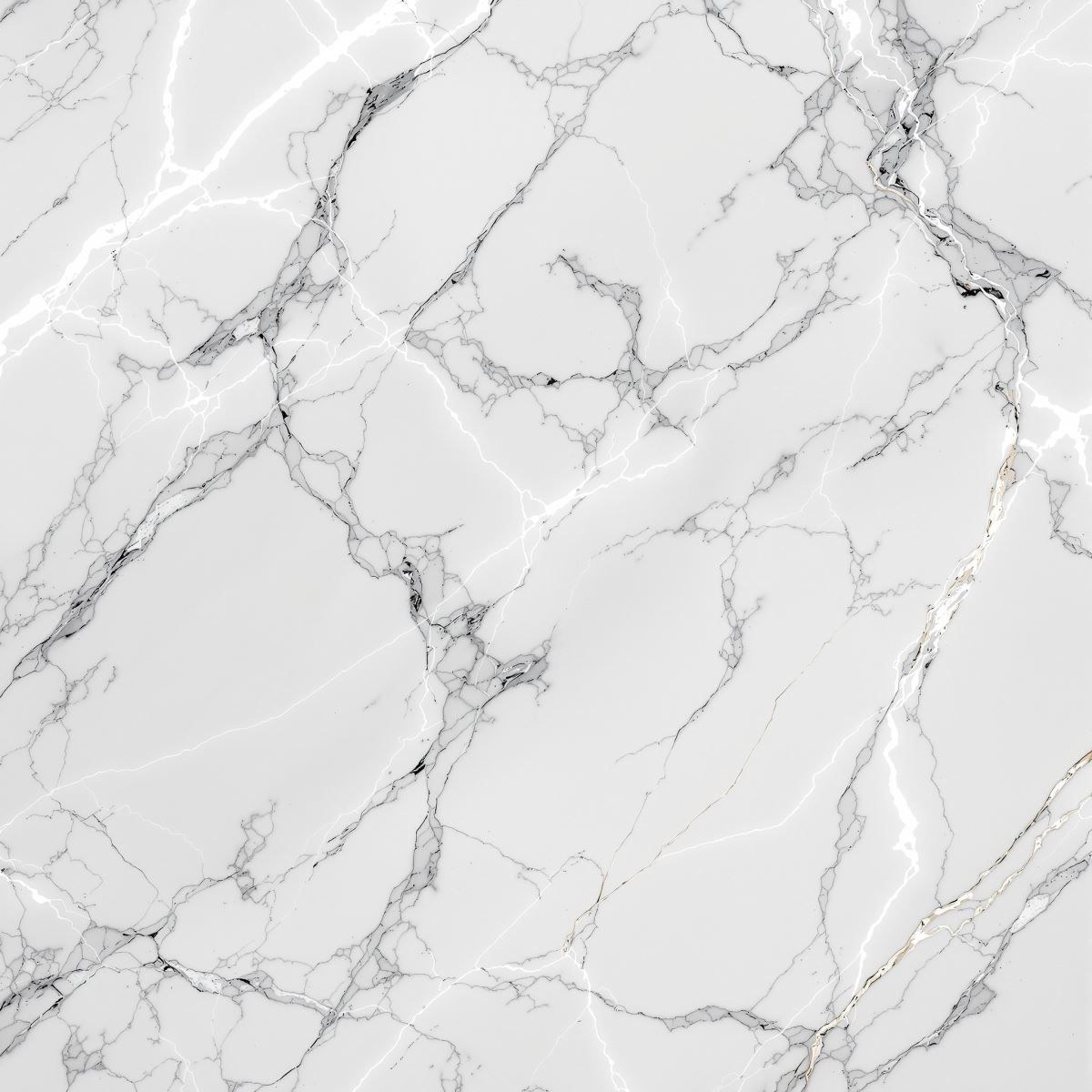
Marble background image shaped by natural veining, mineral contrast and stone surface structure.
This marble background image provides a natural stone surface for website sections, presentation covers, product graphics and editorial layouts. Mineral veining adds visual movement, while less detailed regions can support typography, logos or other foreground content.
What Is a Marble Background?
A marble background is an image in which natural mineral veining, tonal contrast and irregular stone-surface variation create the primary visual identity. Color and decorative treatment remain secondary to the marble material itself.
Marble Background is more specific than Stone Background. Stone Background represents a broader range of natural mineral surfaces, while Marble Background is distinguished more strongly by recognizable veining and mineral contrast across the stone.
The Entity also differs from Concrete Background. Concrete is defined by a manufactured cement-based surface with porous material characteristics, while Marble Background centers on natural stone structure and mineral veining.
Marble imagery can visually overlap with Pattern Background, but these remain separate Entities. Pattern Background is defined by repeated motifs and structured spacing, while Marble Background uses irregular mineral lines and organic stone variation rather than a repeating decorative system.
Marble can also show visual similarities to Grunge Background or Gray Background, but Grunge is defined by wear and distress, while Gray Background is defined by hue. Marble Background remains centered on the underlying stone material and its mineral vein structure.
Compared with Wood Background, both materials can contain directional visual structure, but Wood is defined by grain and natural fiber alignment, while Marble is defined by mineral veining and stone-surface variation.
This page belongs to the Whitescreen Background Library and the Theme Background collection.
Marble Background HD Full Screen
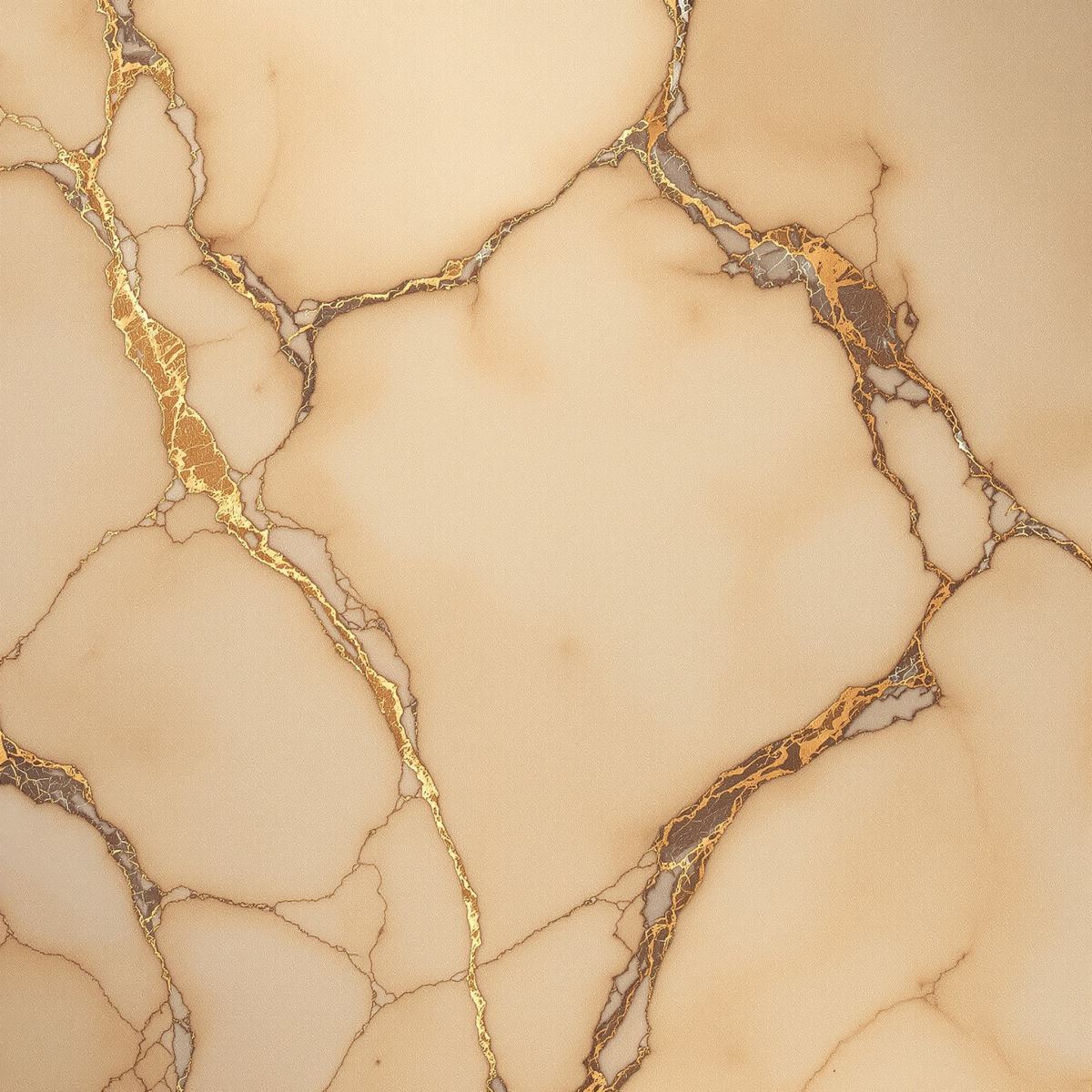
HD marble background preserving fine veining, mineral contrast and subtle stone detail.
Opening the HD marble background in full screen preserves fine vein boundaries, mineral contrast and subtle stone-surface variation across a large monitor or presentation display. These details help the marble structure remain visually distinct and continuous at larger viewing sizes.
Ways to Use a Marble Background
- Open a marble image in full screen to inspect its vein direction, mineral contrast and stone surface variation across the display.
- Create website sections with natural stone structure behind typography or interface elements.
- Prepare product presentations with mineral veining as a distinctive material backdrop.
- Use marble backgrounds in branding, editorial and presentation layouts.
- Place headings, logos or product graphics over areas with suitable vein density and contrast.
- Create polished visual compositions while keeping the marble material as the primary background identity.
- Use marble imagery as a desktop background across the full monitor.