













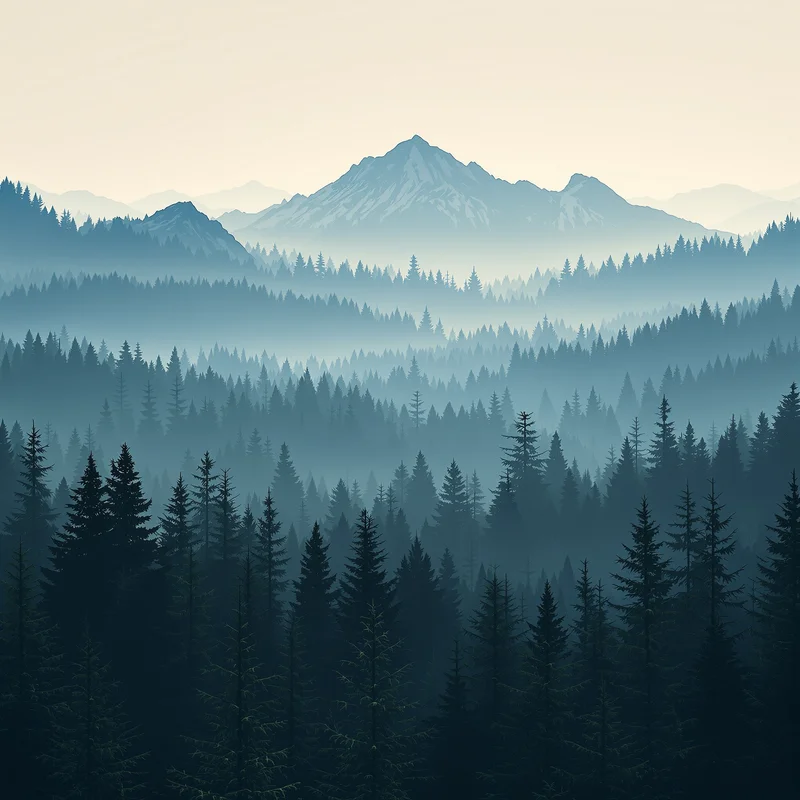




Blue Gradient Background
Blue gradient backgrounds combine a blue-dominant color identity with continuous shifts in tone, brightness or saturation. This collection lets you open blue gradient background images in full screen for websites, presentations, interfaces, typography and large visual displays.
Blue Gradient Background Full Screen

Blue gradient background extending smooth tonal progression across a full-screen display.
Open the image at full size to inspect how blue tones, brightness and saturation change across the entire display. Full-screen viewing makes transition continuity and tonal balance easier to evaluate while showing which regions provide suitable contrast for typography, graphics or interface elements.
How Tonal Transitions Create Blue Gradient Depth
Blue gradient backgrounds gain their identity from continuous change within a blue-dominant visual field. One tonal state progresses into another through connected transition regions rather than appearing as separate blocks, shapes or textured areas.
Changes in brightness and saturation can create depth while preserving the overall blue color identity. Lighter regions can appear more open, while darker or more saturated regions add visual weight and stronger local contrast.
Transition direction also influences visual flow across the background. The gradient can move through the image in different ways, but its defining characteristic remains smooth tonal continuity rather than any particular orientation or gradient type.
Blue Gradient Background Images

Blue gradient background image shaped by tonal progression, smooth blending and continuous color flow.
This blue gradient background image provides a continuous color field for website sections, presentation covers, interface layouts and digital graphics. Different areas of the tonal transition can provide varying levels of contrast for headings, logos or other foreground content.
What Is a Blue Gradient Background?
A blue gradient background is an image in which blue remains the dominant color identity while hue, brightness or saturation changes continuously across the visual field. The tonal transition is a defining part of the image rather than a minor effect applied to an otherwise flat blue background.
Blue Gradient Background differs from Blue Background. Blue Background is defined primarily by blue hue and can remain visually uniform, while Blue Gradient Background requires a meaningful continuous tonal or color transition.
It is also a more specific color-focused form of Gradient Background. Gradient Background represents continuous transitions across many possible color relationships, while Blue Gradient Background keeps blue as the dominant color family throughout the visual field.
The Entity remains separate from Blue Texture Background. Blue Texture Background is defined by surface variation, texture density and local irregular detail, while Blue Gradient Background is defined by smooth tonal continuity rather than surface structure.
Blue Gradient Background can also approach Blue and White Background, but these remain different color structures. Blue and White Background is defined by a shared relationship between two color identities, while Blue Gradient Background remains blue-dominant even when its transition moves toward much lighter tonal values.
Compared with Light Blue Background, the deciding signal is also different. Light Blue Background is defined by a lighter blue range, while Blue Gradient Background is defined by continuous tonal change across the image.
This page belongs to the Whitescreen Background Library and the Theme Background collection.
Blue Gradient Background HD Full Screen

HD blue gradient background preserving smooth tonal transitions and subtle blue variation.
Opening the HD blue gradient background in full screen preserves subtle changes in blue tone, brightness and saturation across a large monitor or presentation display. These gradual transitions help the gradient retain its tonal continuity and visual flow at larger viewing sizes.
Ways to Use a Blue Gradient Background
- Open a blue gradient image in full screen to inspect its tonal progression, transition continuity and blue color balance across the display.
- Create website hero sections with smooth blue tonal movement behind typography or interface elements.
- Prepare presentation covers with a continuous blue field and controlled foreground contrast.
- Use blue gradient backgrounds in application interfaces, digital products and technology-focused graphics.
- Place headings, logos or graphics over areas of the gradient with suitable brightness and tonal contrast.
- Create branding and promotional layouts that need blue color identity with more visual depth than a flat color field.
- Use blue gradient imagery as a desktop background across the full monitor.